Maximize the Lifespan of Your Slate Roof: Effective Flashing Solutions to Prevent Costly Water Damage
Flashing acts as a vital protective barrier at the most vulnerable areas of your roof, especially at the intersections where tiles come into contact with walls, chimneys, or valleys. If flashing is not properly installed, even a meticulously crafted slate roof can succumb to leaks that necessitate expensive repairs. lead is the ideal material for flashing in slate roofing due to its remarkable flexibility, outstanding durability, and ability to accommodate the natural movements of the roof structure, thereby ensuring a secure seal that effectively prevents water infiltration.
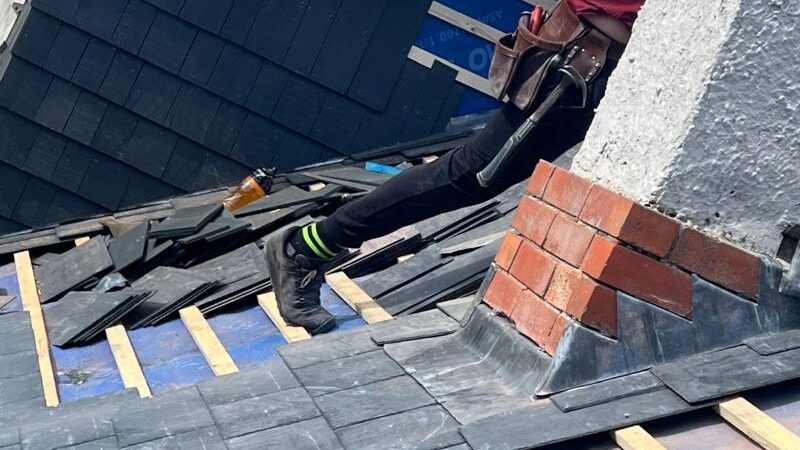
Understanding Flashing: The Key to Maintaining Your Slate Roof's Structural Integrity
Flashing is the crucial material used to seal joints and edges around structures such as chimneys, skylights, roof valleys, and any point where your slate roof meets a wall or changes direction. These joints are particularly susceptible to water intrusion, and without effective flashing, they are likely to be the initial areas to fail, leading to potential leaks. In modern construction, flashing can be made from various types of sheet metals, but for traditional applications on slate roofs, lead remains the most effective choice.
Why is lead favored? This material not only provides a strong seal but also moulds itself to create a robust barrier against the various curves, slopes, and edges found on roofs. It naturally expands and contracts with temperature changes, avoiding the risk of cracking or splitting. Unlike synthetic alternatives, lead is resistant to rust and maintains its structural integrity for a significantly longer period, often outlasting the slate tiles themselves.
Identifying the Risks: What Happens When Flashing Fails to Protect Your Roof?
Even the tiniest tear or gap in your flashing can lead to severe leaks. These leaks often do not present themselves straightforwardly; instead, water can infiltrate beneath the tiles, reach the underlay, and gradually cause issues such as rot, mould, or damage to your interior ceilings. The repercussions of flashing failure might not be immediately visible, often taking years to manifest. By the time these issues become apparent, the necessary repairs can escalate to extensive and costly undertakings. Problems associated with flashing are frequently among the leading causes of concealed roof failures.
If you notice stains on your ceiling, bubbling paint around a chimney, or patches of moss accumulating in specific areas on your roof, the deterioration of flashing could be the root cause of these alarming signs.
Why Lead Remains the Superior Choice for Flashing in Slate Roofing Applications
For centuries, lead has been the preferred material for slate roofs due to its unique properties that ensure durability and resilience. It is recyclable, remarkably strong, and can endure extreme weather conditions, whether it be blistering heat or severe storms. The malleability of lead allows it to fit snugly without risking damage to the delicate slate, which is considerably more fragile in comparison to lead.
Common uses for lead flashing include:
- Chimney flashings (both step and apron)
- Roof valleys
- Secret gutters
- Roof-to-wall junctions
- Ridge and hip intersections
- Skylight surrounds
These areas are subjected to movement, pressure, and water runoff, rendering them particularly vulnerable to failure when using rigid, inflexible materials that can crack or become dislodged.
Recognizing When It’s Time to Repair or Replace Your Lead Flashing
While lead flashing is known for its longevity, it will inevitably show signs of wear and tear over time. You should consider replacement if:
- The lead has developed splits or cracks
- It is lifting or curling away from the roofline
- Rust is visible, especially where lead comes into contact with other metals
- Water stains are evident inside your home
- You are already planning a slate roof repair or reconstruction
Most slate roof restorations involve a comprehensive inspection of all leadwork. If we are already on your roof for tile replacement or cleaning, that is the perfect opportunity to assess and replace flashing as needed.
The Importance of Relying on Skilled Professionals for Your Leadwork Installation
Leadwork is a specialized craft that should not be entrusted to just any general roofer or handyman. Improperly installed lead can sag, split, or detach from the slate, undermining the advantages of a well-constructed slate roof. Our team utilizes traditional methods for installing lead flashing, ensuring proper sizing, accurate lap joints, and expansion joints that accommodate the temperature fluctuations typical in Sydney. We are committed to using lead only where it is the most appropriate material for the task at hand.
How High-Quality Flashing Can Mitigate Future Roofing Problems
A slate roof can remain functional for a century or more, but only if its most vulnerable areas are thoroughly protected. Flashing and leadwork may not be the most glamorous components of a roof, yet they are essential elements that bear the burden when adverse weather conditions strike. If you observe leaks, streaks, or signs of deterioration around your chimney or roof edges, it is crucial to have these areas evaluated without delay. Replacing flashing now can prevent you from incurring much higher repair costs for structural damage in the future.
Is It Time to Schedule a Professional Inspection for Your Leadwork?
If your slate roof features flashing that has seen better days or is showing signs of deterioration, it is wise to have it evaluated before minor issues escalate into major damage. Contact us today to arrange an inspection with a team that specializes in slate, lead, and the intricate details that effectively secure your roof.
Commonly Asked Questions Regarding Flashing and Leadwork
What exactly is flashing on a slate roof, and why is it essential?
Flashing is the material utilized to seal joints and transitions in the roof—such as around chimneys, valleys, and skylights—preventing moisture from penetrating the roofing structure.
What makes lead the preferred choice for flashing on slate roofs?
Lead is flexible, exceptionally durable, and resistant to adverse weather conditions. It conforms seamlessly to the contours of slate tiles and outlasts synthetic materials, making it the ideal option for long-lasting protection.
How long can you expect lead flashing to last in optimal conditions?
With proper installation and maintenance, lead flashing can endure for over 50 years, often outlasting the slate roof it is designed to protect.
Can flashing be repaired without replacing the entire roof?
Absolutely, damaged or worn flashing can be repaired or replaced without necessitating a full slate roof replacement, provided the issues are addressed in a timely manner.
What are the warning signs that indicate flashing failure?
Indicators of flashing problems include water stains near chimneys, damage to ceilings, moss growth in isolated areas, or visible gaps where roof surfaces meet.
Do all slate roofs require lead flashing for optimal performance?
Most slate roofs indeed require flashing. Critical areas like chimneys, valleys, and wall junctions necessitate flashing, with lead being the preferred material due to its compatibility with slate.
Is it safe to use lead flashing in residential properties?
Yes, when installed by professionals, lead flashing poses no safety risks. It remains the most effective and traditional choice for ensuring the integrity of slate roofs.
The Article: Leadwork and Flashing: Why It’s Crucial for a Slate Roof first appeared on https://writebuff.com
The Article Leadwork and Flashing: The Importance for Slate Roofs Was Found On https://limitsofstrategy.com
The Article Leadwork and Flashing for Slate Roofs: Why They Matter First Appeared ON
: https://ad4sc.com


No responses yet